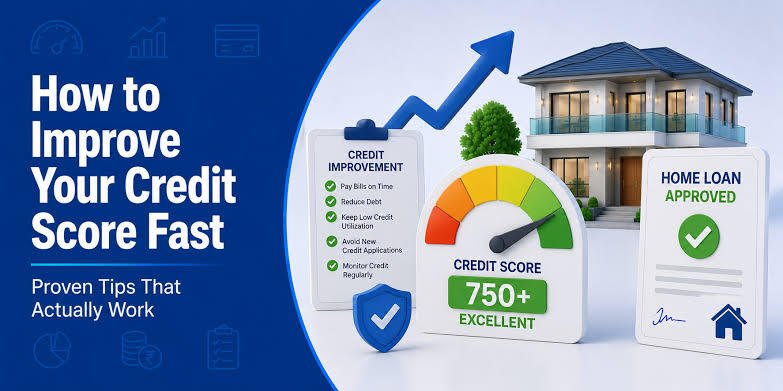
Learn how to improve your credit score before buying a house in 2026. Discover simple tips to qualify for better mortgage rates and save money.
How to Improve Credit Score Before Buying a House in 2026
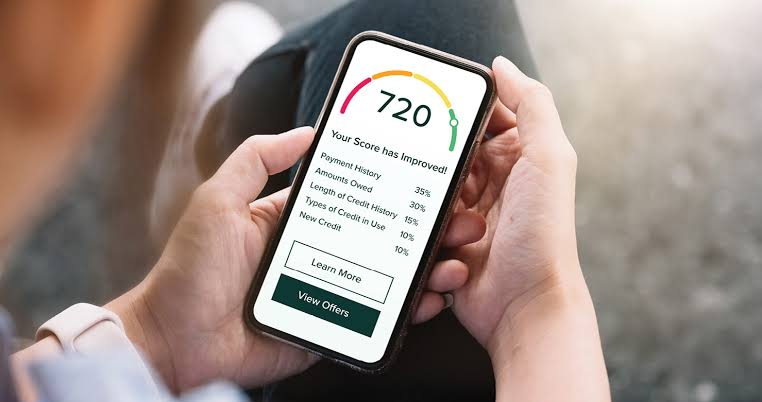
Buying a home is one of the biggest financial decisions you will ever make. Before you apply for a mortgage, your credit score plays a major role in determining whether you qualify for a loan and the interest rate you receive. A higher credit score can help you secure lower monthly payments and reduce the total cost of your home over time.
If you plan to buy a house in 2026, now is the perfect time to improve your credit score. Even small improvements can make a significant difference when lenders review your mortgage application.
This guide explains the best ways to improve your credit score before buying a home and increase your chances of mortgage approval.
Why Your Credit Score Matters When Buying a House

Your credit score tells lenders how responsibly you manage debt. Mortgage lenders use this score to evaluate the risk of lending money.
A strong credit score can help you:
- Qualify for a home loan
- Receive lower mortgage interest rates
- Reduce monthly mortgage payments
- Improve loan approval chances
- Access more loan options
A lower score may result in higher interest rates or even loan denial.
What Credit Score Do You Need to Buy a House in 2026?
The required score depends on the type of mortgage.
Conventional Loan
Most lenders prefer a credit score of 620 or higher.
FHA Loan
Many borrowers qualify with a score of 580 or higher, while some lenders may accept lower scores with additional requirements.
VA Loan
VA loans do not have a minimum score set by the government, but many lenders look for scores around 620.
USDA Loan
Many lenders prefer a score of 640 or higher for a smoother approval process.
Best Ways to Improve Your Credit Score Before Buying a House
Pay Every Bill on Time
Payment history is one of the biggest factors affecting your credit score.
Always pay your:
- Credit card bills
- Auto loans
- Student loans
- Utility bills
- Personal loans
Setting automatic payments or reminders can help you avoid missed payments.
Reduce Credit Card Balances
Your credit utilization ratio measures how much credit you use compared to your available credit.
Try to keep your credit card balances below thirty percent of your available credit. Lower balances often lead to better credit scores.
Review Your Credit Report
Request your credit report and carefully review every account.
Look for:
- Incorrect balances
- Duplicate accounts
- Fraudulent activity
- Payment errors
Disputing mistakes can improve your score if inaccurate information is removed.
Avoid Opening New Credit Accounts
Every new credit application may temporarily reduce your credit score.
Before applying for a mortgage, avoid opening:
- New credit cards
- Personal loans
- Store financing accounts
Keeping your existing accounts stable shows lenders responsible financial behavior.
Keep Older Credit Accounts Open
The age of your credit history also affects your score.
Even if you rarely use an older credit card, keeping it open may strengthen your overall credit profile.
Pay Down Existing Debt
Lower debt makes you more attractive to mortgage lenders.
Focus on paying:
- Credit card balances
- Personal loans
- Auto loans
Reducing debt also improves your debt to income ratio, another important mortgage qualification factor.
Avoid Late Payments
One missed payment can remain on your credit report for years.
Make every payment before its due date to protect your credit score.
Do Not Max Out Credit Cards
Using most of your available credit signals financial stress.
Instead, spread purchases across multiple cards or pay balances before the statement closes.
How Long Does It Take to Improve Your Credit Score?
Every borrower is different.
Some people notice improvements within a few months after paying down balances and correcting errors.
Larger improvements may take six months to one year depending on your financial history.
The earlier you start preparing, the better your chances of receiving favorable mortgage terms.
Common Credit Score Mistakes Home Buyers Should Avoid
Closing Old Credit Cards
Older accounts help build your credit history. Closing them may reduce your score.
Missing Even One Payment
Late payments can significantly affect mortgage approval.
Applying for Multiple Loans
Several credit inquiries within a short period may temporarily lower your score.
Ignoring Credit Report Errors
Mistakes happen. Always review your report before applying for a mortgage.
Carrying Large Credit Card Balances
High balances increase your credit utilization and may lower your score.
Additional Tips Before Applying for a Mortgage
Build an Emergency Fund
Savings demonstrate financial stability and prepare you for unexpected expenses.
Save for a Larger Down Payment
A larger down payment may improve your loan options and reduce monthly payments.
Maintain Stable Employment
Mortgage lenders value consistent income and employment history.
Limit Major Purchases
Avoid financing vehicles, furniture, or expensive electronics before closing on your home.
Frequently Asked Questions
How can I improve my credit score before buying a house?
Pay all bills on time, reduce credit card balances, avoid new debt, review your credit report, and maintain older credit accounts.
Is a credit score of 700 good for buying a home?
Yes. A score of 700 is generally considered good and may help you qualify for competitive mortgage interest rates.
Can I buy a house with a low credit score?
Yes. Some loan programs, including FHA loans, allow borrowers with lower credit scores if other requirements are met.
How much does my credit score affect mortgage rates?
Higher credit scores usually qualify for lower interest rates, which can save thousands of dollars over the life of a mortgage.
Should I pay off all debt before buying a house?
Not always. Reducing high interest debt and lowering your debt to income ratio is usually more important than eliminating every debt.
How often should I check my credit report?
Review your credit report several months before applying for a mortgage and check it again before submitting your loan application.
Can paying off a credit card improve my score?
Yes. Paying down balances lowers your credit utilization, which can positively impact your credit score.
Conclusion
Improving your credit score before buying a house in 2026 is one of the smartest financial moves you can make. Paying bills on time, reducing debt, checking your credit report, and avoiding unnecessary credit applications can increase your chances of mortgage approval and help you qualify for better interest rates.
Start improving your credit today so you can enjoy more home loan options, lower monthly payments, and greater confidence when purchasing your dream home.