
Explore the best First Time Home Buyer Programs 2026. Learn about grants, low down payment loans, home buying assistance, and mortgage options.
First Time Home Buyer Programs 2026: Complete Guide
Buying your first home is one of the most exciting milestones in life. However, many people worry about saving enough money, qualifying for a mortgage, and understanding the home buying process. The good news is that First Time Home Buyer Programs 2026 can make homeownership more affordable and accessible.
These programs are designed to help new buyers overcome common financial barriers. Whether you need help with a down payment, lower mortgage costs, or easier loan qualification requirements, there are options available that can help you purchase a home with confidence.
This complete guide explains the most popular first time home buyer programs, their benefits, eligibility requirements, and tips for finding the right mortgage solution in 2026.
What Are First Time Home Buyer Programs?
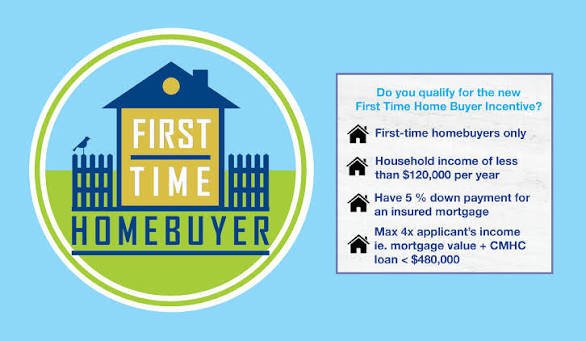
First Time Home Buyer Programs are special mortgage and financial assistance programs created to help eligible individuals purchase their first home.
These programs may be offered by:
- Federal government agencies
- State housing authorities
- Local housing organizations
- Mortgage lenders
- Nonprofit organizations
The primary goal is to make homeownership more affordable by reducing upfront costs and improving mortgage accessibility.
Why First Time Home Buyer Programs Matter in 2026
Home prices continue to be a major challenge for many buyers. Rising property values and mortgage costs can make it difficult to save for a down payment and qualify for financing.
First Time Home Buyer Programs 2026 can help by providing:
- Lower down payment requirements
- Reduced interest rates
- Down payment assistance
- Closing cost assistance
- Flexible credit score requirements
- Home buyer education resources
These benefits allow many families and individuals to achieve homeownership sooner than they otherwise could.
Who Qualifies as a First Time Home Buyer?
Many people believe that first time buyer programs are only for those who have never owned a home. However, eligibility rules are often more flexible.
You may qualify if:
- You have never owned a home
- You have not owned a home in the last three years
- You meet income requirements
- You plan to live in the home as your primary residence
- You satisfy lender and program guidelines
Each program has its own eligibility standards, so it is important to review requirements carefully.
Best First Time Home Buyer Programs in 2026
FHA Loan Program
The FHA loan remains one of the most popular mortgage options for first time buyers.
Backed by the Federal Housing Administration, this program helps buyers qualify for financing with more flexible requirements.
Benefits of FHA Loans
- Lower credit score requirements
- Smaller down payment options
- Competitive mortgage rates
- Flexible debt to income guidelines
Because of these advantages, FHA loans are often recommended for buyers with limited savings or less than perfect credit.
Conventional Loan Programs
Many lenders offer conventional mortgage programs specifically designed for first time home buyers.
These programs often include lower down payment options while providing competitive interest rates.
Benefits of Conventional Loans
- Competitive mortgage rates
- Flexible loan terms
- Potentially lower long term costs
- Mortgage insurance may be removed later
Buyers with strong credit scores often find conventional loans attractive because they can save money over time.
VA Loan Program
The VA loan program is available to eligible military service members, veterans, and certain surviving spouses.
Benefits of VA Loans
- No down payment requirement
- No private mortgage insurance
- Competitive interest rates
- Flexible qualification standards
For eligible borrowers, VA loans provide one of the most affordable paths to homeownership.
USDA Loan Program
USDA loans support homeownership in eligible rural and suburban communities.
Benefits of USDA Loans
- No down payment requirement
- Affordable mortgage rates
- Reduced monthly housing costs
These loans can be an excellent option for buyers willing to purchase homes in approved areas.
Down Payment Assistance Programs
Saving for a down payment is often the biggest obstacle for first time buyers.
Fortunately, many states and local housing agencies offer down payment assistance programs.
Grants
Housing grants provide funds that generally do not need to be repaid.
Grant programs can help cover:
- Down payment expenses
- Closing costs
- Home buying fees
Forgivable Loans
Some organizations offer loans that may be forgiven after the homeowner lives in the property for a specific period.
Deferred Payment Loans
Repayment is often postponed until the home is sold, refinanced, or paid off.
These assistance programs can significantly reduce the financial burden of purchasing a home.
How to Prepare for Homeownership
Improve Your Credit Score
A higher credit score can improve your mortgage approval chances and help you secure better interest rates.
Ways to improve credit include:
- Paying bills on time
- Reducing outstanding debt
- Monitoring credit reports
- Avoiding unnecessary credit applications
Build Savings
Although many programs require smaller down payments, buyers should still save for:
- Closing costs
- Moving expenses
- Emergency home repairs
- Furniture and household items
Having additional savings creates greater financial security after purchasing a home.
Determine Your Budget
Before shopping for homes, calculate how much you can comfortably afford each month.
Consider:
- Mortgage payments
- Property taxes
- Home insurance
- Utilities
- Maintenance costs
A realistic budget helps prevent financial stress.
How to Apply for First Time Home Buyer Programs
Research Available Programs
Start by exploring federal, state, and local assistance programs.
Compare Mortgage Lenders
Different lenders may offer different loan products, rates, and fees.
Shopping around can help you secure better financing terms.
Obtain Mortgage Pre Approval
Mortgage pre approval shows sellers that you are a serious buyer and helps determine your price range.
Gather Financial Documents
Most lenders require:
- Income verification
- Tax returns
- Bank statements
- Employment information
- Credit history
Preparing documents early can speed up the approval process.
Common Mistakes First Time Buyers Make
Skipping Mortgage Comparison
Failing to compare lenders can result in higher borrowing costs.
Ignoring Closing Costs
Many buyers focus only on the down payment and forget about closing expenses.
Buying More Home Than They Can Afford
A larger home may seem appealing, but affordability should remain a top priority.
Changing Financial Habits During Approval
Avoid making large purchases or opening new credit accounts while your mortgage application is being reviewed.
Not Understanding Loan Terms
Take time to understand interest rates, fees, and repayment obligations before signing any mortgage agreement.
Tips for Success in 2026
Take a Home Buyer Education Course
Many assistance programs offer educational resources that help buyers understand the homeownership process.
Work With Experienced Professionals
Mortgage lenders, real estate agents, and housing counselors can provide valuable guidance.
Stay Patient
Finding the right home and mortgage may take time, but careful planning often leads to better outcomes.
Think About Long Term Goals
Choose a property that meets both your current needs and future lifestyle plans.
Conclusion
First Time Home Buyer Programs 2026 provide valuable opportunities for individuals and families looking to enter the housing market. From FHA loans and conventional financing to VA loans, USDA loans, and down payment assistance programs, there are many resources available to help make homeownership possible.
The key to success is understanding your options, comparing lenders, improving your financial profile, and choosing the program that best fits your needs. With proper planning and preparation, you can confidently take the next step toward owning your first home in 2026.
Frequently Asked Questions
What is the best first time home buyer program in 2026?
The best program depends on your financial situation, credit score, income, and homeownership goals.
Can I buy a home with a low down payment?
Yes. Many first time home buyer programs offer low down payment options.
Are grants available for first time buyers?
Yes. Many state and local organizations provide grants to help with home buying expenses.
What credit score do I need to qualify?
Credit score requirements vary by lender and program.
Can I qualify if I owned a home years ago?
You may qualify if you have not owned a primary residence within the last three years.
Are VA loans only for military members?
VA loans are generally available to eligible veterans, service members, and certain surviving spouses.
How do I find local home buyer assistance programs?
Contact local housing agencies, mortgage lenders, and housing counselors for available programs in your area.
Is mortgage pre approval necessary?
While not required, pre approval strengthens your position and helps define your home buying budget.