
Buying or selling a property is one of the biggest financial decisions most people make, and a Real Estate Lawyer can help protect your interests throughout the process. From reviewing contracts and handling legal documents to resolving property disputes, real estate legal professionals provide guidance that can prevent costly mistakes.
A real estate lawyer is a legal professional who specializes in property-related matters, including residential purchases, commercial transactions, mortgage agreements, title issues, and closing procedures. Whether you are a first-time homebuyer, an investor, or a homeowner dealing with a property dispute, understanding the role of legal support can make your real estate journey smoother.
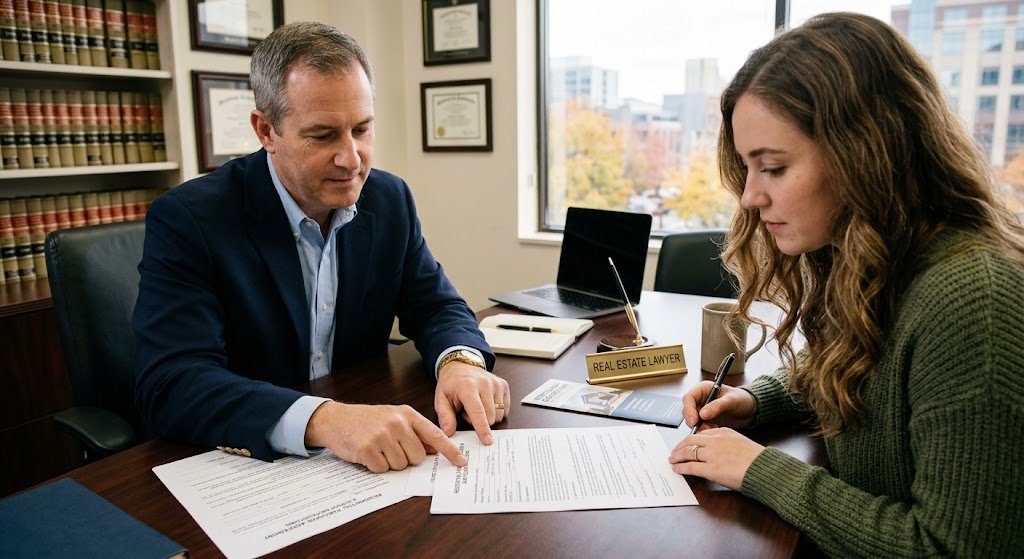
What Is a Real Estate Lawyer and What Do They Do?
A real estate lawyer is an attorney who focuses on laws and regulations related to property ownership, transfers, and transactions. Their job is to make sure that property deals follow legal requirements and that clients understand their rights and responsibilities.
Unlike a real estate agent who helps with buying, selling, and negotiating property deals, a lawyer provides legal protection and advice. They focus on contracts, legal risks, ownership rights, and compliance with state and local laws.
Common responsibilities include:
- Reviewing and preparing purchase agreements
- Checking property titles for ownership problems
- Explaining mortgage and financing documents
- Assisting during property closings
- Handling zoning and land-use concerns
- Resolving disputes between buyers, sellers, landlords, and tenants
For example, a buyer may discover after signing a purchase agreement that a property has unpaid liens or ownership complications. A lawyer can identify these issues before the transaction is completed and help find a legal solution.
Mortgage and Home Buying Guide
Why Do You Need a Real Estate Lawyer When Buying a Home?
Many people assume that hiring a lawyer is unnecessary because real estate agents and lenders already handle most parts of a transaction. However, real estate deals involve complex legal documents and financial obligations that require careful review.
A real estate lawyer can help buyers by:
Reviewing Contracts Before Signing
Purchase agreements contain important details about price, closing dates, inspections, repairs, and responsibilities of both parties. A lawyer can review these terms and explain any confusing clauses before you commit.
A small mistake in a contract can create significant financial problems later. Legal review provides an additional layer of protection.
Checking Property Ownership and Title Issues
A title search confirms who legally owns a property and whether any claims exist against it. Problems such as unpaid taxes, previous ownership disputes, or liens can delay or cancel a sale.
A property lawyer can help resolve these concerns and ensure the buyer receives clear ownership rights.
Understanding Mortgage Documents
Mortgage agreements often contain complicated legal language. A lawyer can help explain loan terms, obligations, penalties, and conditions before you finalize financing.
This is especially useful for buyers purchasing expensive properties or entering complicated lending arrangements.
When Should You Hire a Real Estate Lawyer?
Not every property transaction requires legal assistance, but there are several situations where hiring a real estate lawyer can be valuable.
Buying or Selling a Property
During a standard home purchase or sale, a lawyer can review documents, identify risks, and make sure the transaction follows applicable laws.
Dealing With Property Disputes
Property disagreements can happen between neighbors, buyers and sellers, landlords and tenants, or family members. Common disputes involve:
- Boundary disagreements
- Ownership claims
- Contract violations
- Lease conflicts
- Property damage responsibilities
A lawyer can evaluate the situation and recommend the appropriate legal steps.
Handling Commercial Real Estate Transactions
Commercial properties usually involve more complicated agreements than residential homes. Business owners and investors often require legal assistance with:
- Commercial leases
- Development agreements
- Property financing
- Zoning regulations
Estate Planning and Inherited Property
Inherited properties can involve multiple owners, tax concerns, and legal responsibilities. A real estate attorney can help families manage ownership transfers and avoid future conflicts.

How Much Does a Real Estate Lawyer Cost?
The cost of hiring a real estate lawyer depends on several factors, including location, experience, and the complexity of the legal work.
Some lawyers charge a flat fee for specific services, while others charge hourly rates. Common services that may involve legal fees include:
- Contract review
- Closing assistance
- Title problem resolution
- Property dispute representation
For a simple document review, costs may be lower, while complex property disputes or commercial transactions may require more extensive legal work.
Before hiring a lawyer, ask about:
- Estimated total cost
- Billing method
- Services included
- Additional possible expenses
Understanding fees in advance helps avoid unexpected charges.
Real Estate Lawyer vs Real Estate Agent: What Is the Difference?
Many homebuyers confuse the roles of agents and lawyers because both work in real estate. However, their responsibilities are different.
A real estate agent helps clients find properties, negotiate offers, and complete transactions. Their focus is primarily on the buying and selling process.
A real estate lawyer focuses on legal protection. They review agreements, explain legal obligations, and handle legal issues connected to ownership and property transactions.
In simple terms:
- Agent = helps complete the property deal
- Lawyer = protects your legal rights during the deal
Both professionals can work together to provide a complete real estate experience.
How to Choose the Right Real Estate Lawyer?
Choosing the right legal professional requires research and careful consideration. The cheapest option is not always the best choice because experience and specialization matter.
Consider these factors:
Experience With Similar Cases
Look for a lawyer who has handled situations similar to yours. A lawyer experienced in residential purchases may not have the same expertise as someone handling commercial property development.
Knowledge of Local Property Laws
Real estate laws vary between states and cities. A lawyer familiar with your local regulations can provide more accurate guidance.
Communication Style
Property transactions involve many questions and deadlines. Choose someone who explains information clearly and responds promptly.
Reviews and Professional Reputation
Research client feedback, professional background, and previous experience before making a decision.
Guide to Mortgage Legal Requirements
Common Mistakes People Make Without Legal Guidance
Many property owners face problems because they rush through transactions without fully understanding the legal details.
Some common mistakes include:
Signing Contracts Without Review
Legal documents can contain terms that are difficult for the average person to understand. Signing without review may create unwanted obligations.
Ignoring Title Problems
A property may appear perfect but still have hidden ownership issues. A title problem discovered later can become expensive and stressful.
Not Understanding Local Regulations
Building restrictions, zoning rules, and property regulations can affect how owners use their property.
A lawyer helps identify these issues before they become major problems.
How Real Estate Lawyers Help During Property Closings
The closing process is the final stage of a property transaction where ownership officially transfers from seller to buyer.
During closing, a real estate lawyer may:
- Review final documents
- Confirm legal requirements are completed
- Address last-minute issues
- Ensure funds are transferred correctly
- Explain signing documents
A smooth closing depends on accurate paperwork and proper legal procedures.
The Growing Importance of Real Estate Legal Services in the Modern Market
The real estate market continues to become more complex because of changing regulations, financing options, and property ownership challenges.
Modern buyers often deal with:
- Digital contracts
- Remote closings
- Complex mortgage agreements
- Investment properties
- Changing housing regulations
Because of these challenges, professional legal guidance has become increasingly valuable for many property transactions.
According to practical experience from reviewing property transactions over several years, one of the most common preventable issues is buyers signing agreements before fully understanding their obligations. A short legal review early in the process can often save significant time and money later.
Frequently Asked Questions About Real Estate Lawyers
What does a real estate lawyer do?
A real estate lawyer provides legal assistance for property transactions, contracts, title issues, closings, and disputes related to ownership or property rights.
Is a real estate lawyer required when buying a home?
Requirements vary by state. Some areas require attorney involvement during certain transactions, while others make it optional. Many buyers still choose legal assistance for additional protection.
How is a real estate lawyer different from a real estate agent?
A real estate agent helps with buying and selling property, while a lawyer focuses on legal matters such as contracts, ownership rights, and disputes.
When should I hire a real estate lawyer?
You may consider hiring one when purchasing property, dealing with ownership issues, reviewing contracts, managing disputes, or handling complex transactions.
Can a real estate lawyer help with mortgage problems?
Yes. A lawyer can review mortgage-related documents, explain legal concerns, and assist with certain disputes involving property financing.
Conclusion: Protect Your Property Investment With Legal Guidance
Real estate transactions involve significant money, important documents, and long-term responsibilities. Working with a qualified Real Estate Lawyer can help buyers, sellers, and property owners understand their rights and avoid costly mistakes.
Whether you are purchasing your first home, selling a property, or managing a complicated real estate matter, professional legal guidance can provide confidence throughout the process.
MortgageGuiderHub Home Buying Resources