
Mortgage Guider Hub Team
This collection is curated by the Mortgage Guider Hub Team, a group of mortgage writers publishing practical guides about home loans, refinancing, credit and insurance. Our team verifies every rate and rule before publishing, so you can make your mortgage decisions with confidence.
House hacking with a mortgage is one of the most practical ways for a first time buyer to get into real estate. You buy a duplex, triplex or fourplex, live in one unit and rent out the others. The rent helps pay the mortgage, and because you live in the property you can use an owner occupant loan with a far smaller down payment than an investment property loan would need.
What Is House Hacking With a Mortgage?
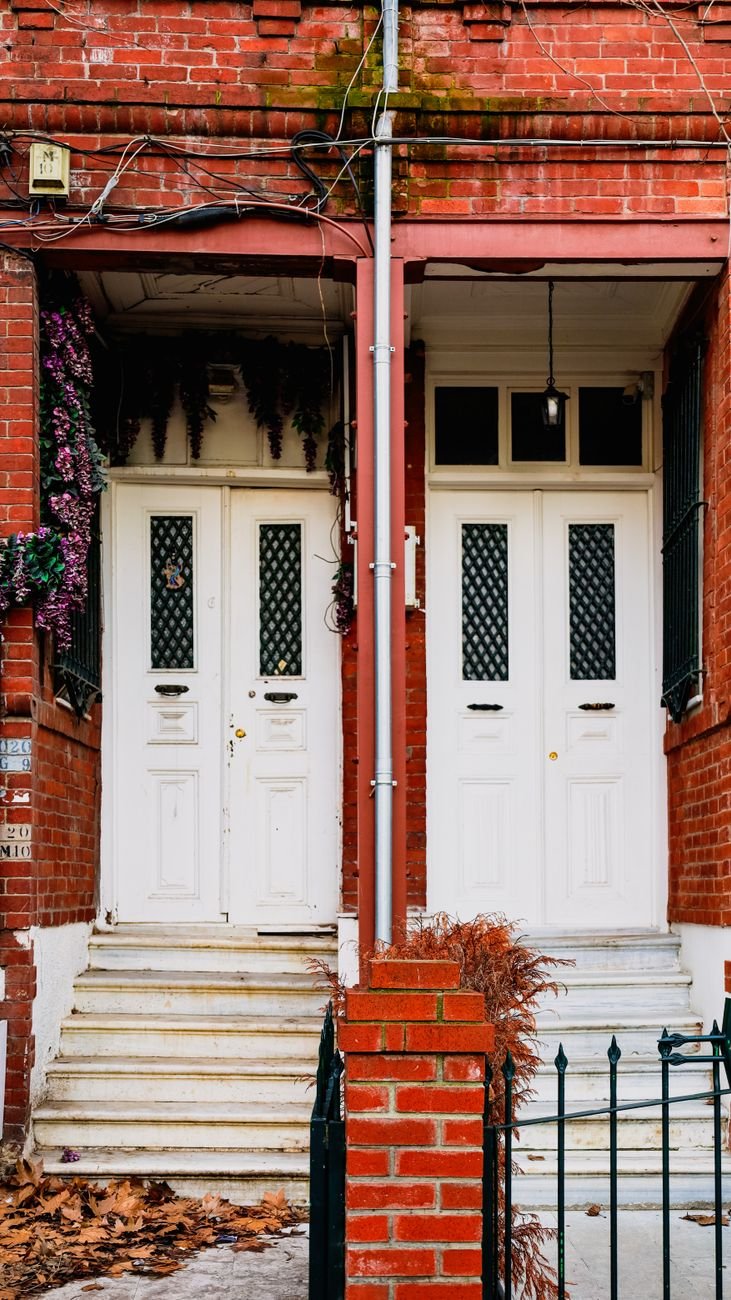
House hacking means buying a home with two to four units, living in one and renting out the others, or renting spare rooms in a single family house. The version the loan rules are written for is the two to four unit building, where you are both the homeowner and the landlord, with the property next door to your own front door.
The appeal is the down payment. A normal investment property loan usually needs 20 to 25 percent down. An owner occupant loan on the same building can need as little as 3.5 percent down with FHA financing, or 5 percent with a conventional loan. On a $400,000 duplex that is the difference between $14,000 down and $80,000 to $100,000 down.

How House Hacking With a Mortgage Works on a Duplex
The process looks like a normal home purchase with a few extra steps. You find a two to four unit property where rents are strong, apply for an owner occupant loan, and the lender orders an appraisal that also estimates market rent for each unit. You move into one unit after closing, your tenants pay rent, and you pay the mortgage, taxes, insurance and upkeep. The gap between the rent and your costs is your out of pocket housing bill.
One point to settle early is that you must actually live there. FHA requires at least one borrower to move in within 60 days of closing and intend to stay for at least one year, and conventional loans require the property to be your principal residence. Buying a fourplex, renting all four units and living somewhere else is an investment purchase, and it needs an investment loan with a much larger down payment. If that is your plan, be honest about it with your lender, because occupancy fraud is a serious matter and lenders do check.
FHA Rules for House Hacking With a Mortgage
FHA financing is the most common route into house hacking, because the down payment is low and the credit rules are forgiving. Under HUD Handbook 4000.1, an FHA loan can finance a one to four unit property used as a principal residence. The key rules are:
- Down payment: 3.5 percent down with a credit score of 580 or higher. With a score from 500 to 579 the minimum is 10 percent down.
- Owner occupancy: at least one borrower must move in within 60 days of signing and intend to live there for at least one year.
- Mortgage insurance: an upfront premium of 1.75 percent of the base loan amount, usually financed into the loan, plus an annual premium of 0.55 percent a year on most 30 year loans.
- Loan limits: for 2026, under HUD Mortgagee Letter 2025-23, the FHA floor for a two unit property is $693,050, rising to $1,599,375 in high cost areas. Three unit limits run from $837,700 to $1,933,200, and four unit limits from $1,041,125 to $2,402,625. Limits vary by county, so check your county before you shop.
- Self sufficiency test: on three and four unit properties only, the net rental income must cover the full monthly mortgage payment, including principal, interest, taxes and insurance. A duplex does not face this test.
- Reserves: FHA requires three months of PITI in verified reserves after closing for three and four unit purchases.
For the general FHA requirements, see our guide to FHA loan requirements for 2026. It covers credit, income and property standards that apply alongside the multi unit rules here.
Conventional Loan Rules for House Hacking
A conventional loan is the other main route, and for some buyers it is the better one, because there is no upfront mortgage insurance premium and private mortgage insurance can eventually be removed. Fannie Mae allows a 5 percent down payment on a two to four unit principal residence when the loan is underwritten through its Desktop Underwriter system.
The catch is manual underwriting. If your loan cannot go through Desktop Underwriter and has to be manually underwritten, the minimum down payment rises to 15 percent for a two unit property and 25 percent for a three or four unit property. High balance loans have similar restrictions. So the 5 percent figure is real, but it depends on your file passing automated underwriting, and your lender can tell you early whether that looks likely.
VA loans are a third option for eligible veterans and service members. A VA loan can finance a two to four unit property with no down payment, provided the price is not above the appraised value and you certify you will live in the home.
| Loan type | Units | Minimum down payment | Occupancy rule |
|---|---|---|---|
| FHA | 1 to 4 | 3.5% (score 580+), 10% (score 500 to 579) | Move in within 60 days, stay at least 1 year |
| Conventional (Fannie Mae) | 2 to 4 | 5% via Desktop Underwriter; 15% to 25% manual | Must be your principal residence |
| VA | 1 to 4 | 0% if price is not above appraised value | Must certify you will live there |
| Investment loan | 2 to 4 | Usually 20% to 25% | No occupancy requirement |
You can read more about how FHA and conventional loans compare in our FHA loan vs conventional loan guide for 2026.
How Lenders Count Rental Income When You Apply
This is the part most new house hackers misunderstand. Lenders do not count all of the rent. Under FHA rules, the lender counts 75 percent of the expected rent from the units you do not occupy. The 25 percent haircut is the allowance for vacancy and expenses, and it applies whether or not your actual expenses are lower.
Say the other unit in your duplex rents for $1,600 a month. The lender counts 75 percent of that, or $1,200, as qualifying income, and that $1,200 is added to your income when the lender calculates your debt to income ratio. On a triplex or fourplex the same 75 percent rule applies, and then the self sufficiency test adds a second check: after the 75 percent adjustment, the net rental income from all units must cover the full monthly PITI payment.
Our guide to debt to income ratio and mortgage approval explains the DTI calculation in full, and it is worth reading before you run your own numbers.
House Hacking With a Mortgage: Down Payment and Cash You Need
The down payment is only part of the cash you need. On a $400,000 duplex with an FHA loan at 3.5 percent down, the down payment is $14,000. Then add closing costs, which commonly run 2 to 5 percent of the price, plus prepaid taxes and insurance. A realistic cash to close figure for that purchase is often $25,000 to $35,000, not $14,000, and buyers who budget only for the down payment get an unpleasant surprise at the closing table.

A Worked Example: A $400,000 Duplex
Numbers make the idea concrete, so here is an illustrative example. These are not quoted rates, and your figures will differ, but the shape of the math is what matters. Assume a $400,000 duplex, FHA financing with 3.5 percent down, a 30 year fixed rate of 6.5 percent used only for illustration, taxes and insurance of $550 a month, and the other unit renting for $1,600 a month.
| Item | Monthly amount |
|---|---|
| Purchase price | $400,000 |
| Down payment (3.5%) | $14,000 |
| Base loan amount | $386,000 |
| Principal and interest (illustrative 6.5%) | about $2,440 |
| Taxes and insurance | about $550 |
| Annual mortgage insurance premium (0.55%) | about $177 |
| Total PITI plus MIP | about $3,167 |
| Rent from the other unit | $1,600 |
| Your net out of pocket | about $1,567 |
In this example your out of pocket housing cost is about $1,567 a month, before maintenance and vacancies, while the rent covers roughly half the payment. If a comparable one bedroom apartment in your area rents for $1,600, you are paying about the same to live there while also paying down a mortgage and owning the building. That is the house hacking trade in one picture. It is not free housing, and anyone who tells you it is has left out the maintenance, the vacancy months and the mortgage insurance.
The Risks Nobody Mentions in the Sales Pitch
House hacking has real risks, and a good guide should name them plainly. Vacancy is the first. If your tenant leaves and the unit sits empty for two months, you pay the full mortgage yourself, and a new landlord with no reserves can go from comfortable to stressed in a single vacancy.
Bad tenants are the second risk. A tenant who pays late, damages the unit or has to be evicted will cost you money and time, and you live next door to the problem. Screen tenants carefully, check references and credit, and use a proper lease.
Maintenance is the third risk, and it is the one new owners underestimate most. Multi unit buildings are older on average than single family houses, and you now own two kitchens, two bathrooms, two water heaters and a shared roof. Budget at least 1 percent of the property value a year for maintenance, and more for an older building.
How to Buy a Duplex and Live in It: Step by Step
First, check your credit and your debt to income ratio, and get pre approved with a lender who has done FHA multi unit loans before. Tell them upfront that you plan to house hack, because the loan is underwritten differently and you do not want surprises late in the process.
Second, study rents in the neighbourhoods you like. Look at actual listings for units like the one you would rent out, and be conservative.
Third, shop with an agent who knows multi unit deals, and check the age of the roof, the heating systems, the electrical panels and the plumbing. Fourth, make an offer with an inspection contingency and a financing contingency, and order the appraisal early, because the rent estimate in the appraisal drives your qualification. Fifth, line up insurance that covers a multi unit owner occupied property, which is not the same as a standard homeowner policy. Finally, move in within 60 days, get the other unit rented on a proper lease, and keep a reserve fund that would cover two months of vacancy without panic.

Final Thoughts on House Hacking With a Mortgage
House hacking with a mortgage works best for buyers who are realistic about it. It is a way to buy a home with a small down payment, cut your net housing cost, and learn landlording with the property next door. It is not a way to live for free, and it is not a way to buy a rental property without living in it. If you can live with tenants next door, keep reserves, and buy a building whose rents are real, the numbers can be kind to you.
For the official FHA multi unit guidelines, HUD Handbook 4000.1 is the source document, and a plain English summary of the current rules is available from Lower and WealthyPot.
Frequently Asked Questions
Can you house hack with an FHA loan?
Yes. FHA is the most common loan for house hacking. You can buy a two to four unit property with as little as 3.5 percent down with a credit score of 580 or higher, provided you live in one unit as your primary residence, move in within 60 days of closing and intend to stay for at least one year.
How much do you need to put down to house hack a duplex?
With FHA financing, 3.5 percent down with a score of 580 or higher, or 10 percent with a score from 500 to 579. With a conventional loan, 5 percent down is possible through Fannie Mae Desktop Underwriter, or 15 percent if the loan is manually underwritten. You will also need cash for closing costs and reserves.
Do lenders count rental income when you house hack?
Yes, but only 75 percent of the expected rent from the units you do not occupy. The 25 percent reduction covers vacancy and expenses. The rent figure comes from the appraisal on Form 1025, or from existing leases if the property is already rented.
Can you buy a fourplex with an FHA loan?
Yes, FHA covers one to four unit properties. A fourplex faces two extra rules: the self sufficiency test, which requires net rental income to cover the full monthly PITI payment, and a requirement for three months of PITI in reserves after closing.
How long do you have to live in a house hack?
FHA requires you to move in within 60 days of closing and intend to live there for at least one year. After the first year, moving out and keeping the property as a rental is generally permitted, and many owners do exactly that when they buy their next home.
Is house hacking profitable?
It can be, but the honest answer is that the rent rarely covers the whole mortgage at current rates. The profit usually comes from a lower net housing cost, mortgage paydown by your tenants, and long term appreciation, not from monthly cash flow alone. Run conservative numbers before you buy.
Can you house hack with a conventional loan?
Yes. Fannie Mae allows 5 percent down on a two to four unit principal residence underwritten through Desktop Underwriter. If the loan is manually underwritten, the minimum rises to 15 percent for two units and 25 percent for three or four units.
What is the FHA loan limit for a duplex in 2026?
Under HUD Mortgagee Letter 2025-23, the 2026 FHA floor for a two unit property is $693,050, rising to $1,599,375 in high cost areas. Limits vary by county, so check the HUD loan limit page for your county.
Can you use gift funds for the down payment on a house hack?
Yes, FHA allows gift funds with proper documentation, including a gift letter and a paper trail showing the transfer. Your lender will verify the source of every dollar used for the down payment and closing costs.
Do you need landlord experience to house hack?
No, FHA does not require landlord experience. Some lenders are more cautious with first time landlords and may ask for extra documentation or apply rental income more conservatively, so working with a lender experienced in multi unit FHA loans helps.
What happens if your tenant stops paying rent?
You still owe the full mortgage payment, which is why reserves matter. You would follow your state eviction process, which takes time and costs money, and you would cover the mortgage from your reserves in the meantime. Screening tenants carefully is the best protection.
Can you house hack a single family house?
Yes, by renting out spare rooms, but lenders do not count room rental income the same way they count rent from separate units, and the loan is an ordinary single family loan. The two to four unit route is the one with written rental income rules.
#HouseHacking #DuplexInvesting #FHALoan #RealEstateInvesting #FirstTimeHomeBuyer #MortgageGuide
Mortgage Guider Hub Team
This collection is curated by the Mortgage Guider Hub Team, a group of mortgage writers publishing practical guides about home loans, refinancing, credit and insurance. Our team verifies every rate and rule before publishing, so you can make your mortgage decisions with confidence.