Buying a home is one of the biggest financial decisions most people make, and knowing How to Get Preapproved for a Mortgage: Step-by-Step Guide can help you start the process with confidence. A mortgage preapproval shows sellers and lenders that you are financially prepared to purchase a property.
A mortgage preapproval is an official evaluation from a lender that estimates how much money you may be able to borrow based on your income, credit history, assets, and debts. Unlike a simple estimate, a preapproval usually requires financial documents and a credit review.
The process of getting preapproved for a mortgage involves checking your finances, collecting documents, comparing lenders, submitting an application, and receiving a preapproval letter.
Many first-time buyers make the mistake of searching for homes before understanding their borrowing power. Getting preapproved early can save time, improve your negotiation position, and help you focus only on homes that match your budget.

What Does Mortgage Preapproval Mean?
Mortgage preapproval is a lender’s written statement showing that you may qualify for a specific loan amount based on an initial review of your financial information.
During the preapproval process, lenders typically review:
- Income and employment history
- Credit score and credit report
- Existing debts
- Bank accounts and savings
- Tax documents
- Down payment funds
A preapproval does not guarantee final loan approval. The lender will still complete a full underwriting review after you choose a property.
According to the Consumer Financial Protection Bureau (CFPB), getting a mortgage preapproval can help buyers understand their budget before making an offer.
Mortgage Preapproval vs Prequalification: What Is the Difference?
Many buyers confuse preapproval with prequalification, but they are different.
Prequalification is usually a quick estimate based on information you provide. It may not involve detailed document verification.
Preapproval requires more review and generally carries more weight because the lender checks your financial details.
| Prequalification | Preapproval |
|---|---|
| Basic financial information | Detailed financial review |
| Faster process | Requires documents |
| Less reliable for sellers | Stronger buying position |
| Estimated loan amount | Conditional loan approval |
How to Get Preapproved for a Mortgage: Step-by-Step Process
Understanding the steps before applying can make the mortgage process smoother.
Step 1: Review Your Credit Score and Financial Situation
Your credit score plays an important role in mortgage approval. Lenders use it to evaluate how responsibly you have managed borrowed money.
Before applying:
- Check your credit report for errors
- Pay bills on time
- Reduce credit card balances
- Avoid opening unnecessary accounts
A higher credit score may help you qualify for better mortgage terms, although requirements vary by lender and loan type.
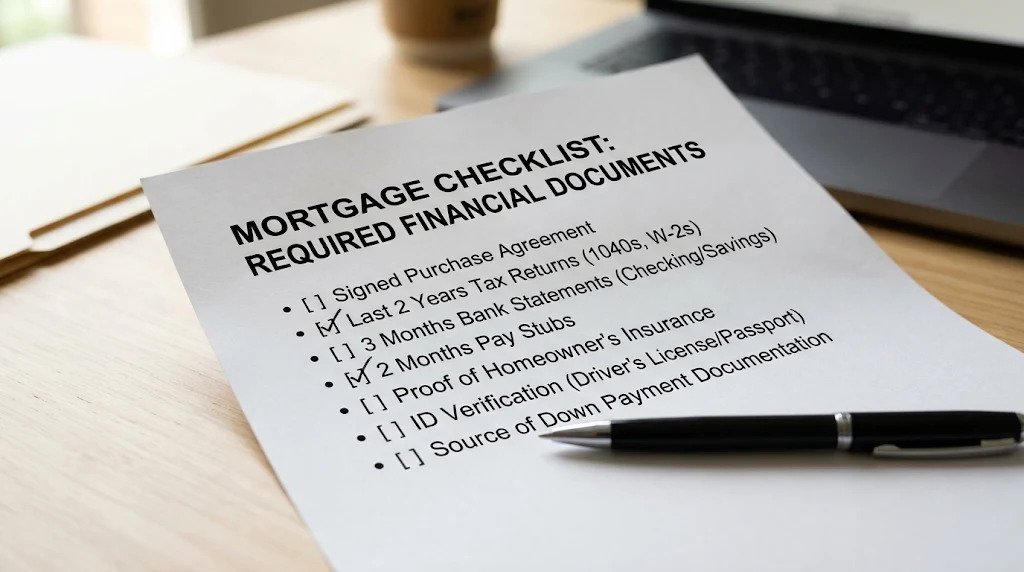
Step 2: Prepare Your Mortgage Preapproval Documents
One of the most common delays happens when buyers are missing important paperwork.
Most lenders request:
Income Documents
Examples include:
- Recent pay stubs
- W-2 forms
- Tax returns
- Employment verification
Asset Information
You may need:
- Bank statements
- Savings records
- Investment account statements
- Proof of down payment funds
Debt Information
Lenders review:
- Auto loans
- Student loans
- Credit card balances
- Personal loans
Preparing these documents before applying can make the process faster.
Step 3: Compare Different Mortgage Lenders
Do not apply with the first lender you find. Mortgage rates, fees, and loan programs can vary between lenders.
Compare:
- Interest rates
- Closing costs
- Loan options
- Customer service
- Processing time
You can consider:
- Banks
- Credit unions
- Online mortgage lenders
- Mortgage brokers
Getting multiple quotes within a short period may allow credit scoring models to treat mortgage inquiries together.
Step 4: Submit Your Mortgage Application
After choosing a lender, you will complete a mortgage application.
The lender will review:
- Your financial documents
- Credit history
- Employment status
- Debt-to-income ratio
The lender may ask additional questions during this stage.
Providing accurate information is important because incorrect details can delay the process.
Step 5: Receive Your Mortgage Preapproval Letter
After reviewing your information, the lender may issue a preapproval letter.
The letter usually includes:
- Approved loan amount
- Loan program
- Expiration date
- Conditions that must be completed
Most preapproval letters are valid for a limited period, often around 60 to 90 days, depending on the lender.
A preapproval letter can make your offer more attractive because sellers know you have already completed an important financial review.
What Do You Need to Get Preapproved for a Mortgage?
The exact requirements depend on the lender and loan program, but most lenders evaluate similar factors.
Income Stability
Lenders want to see that you have a reliable source of income to repay the loan.
They may review:
- Employment history
- Salary information
- Business income records
Self-employed buyers may need additional documents such as profit and loss statements.
Credit History
Your credit history helps lenders understand your payment behavior.
Important factors include:
- Payment history
- Credit utilization
- Length of credit history
- Recent applications
Debt-to-Income Ratio (DTI)
Debt-to-income ratio compares your monthly debt payments with your gross monthly income.
Example:
If your monthly income is $6,000 and your total monthly debts are $2,100:
$2,100 ÷ $6,000 = 35% DTI
A lower DTI generally shows lenders that you have more financial flexibility.
How Long Does Mortgage Preapproval Take?
The timeline depends on your lender, financial situation, and how quickly you provide documents.
Many borrowers receive preapproval within a few days, while complicated applications may take longer.
Factors that can slow approval include:
- Missing documents
- Unclear income sources
- Recent job changes
- Credit issues
- Large unexplained bank deposits
A useful tip from mortgage professionals is to avoid making major financial changes while waiting for approval.
What Credit Score Do You Need for Mortgage Preapproval?
There is no single credit score requirement for every mortgage.
Requirements depend on:
- Loan type
- Lender policies
- Financial profile
Different mortgage programs may have different guidelines.
For example:
- Conventional loans often require stronger credit profiles
- FHA loans may allow lower credit scores under certain conditions
- VA and USDA loans have their own requirements
Always confirm current requirements directly with your lender.
How Much Mortgage Can You Get Preapproved For?
Your preapproved amount depends on several factors:
- Income
- Monthly debts
- Credit score
- Down payment
- Interest rates
- Loan terms
A lender may approve a larger loan amount than what feels comfortable for your monthly budget.
A practical example:
A buyer earning $90,000 per year may qualify for a certain loan amount, but they should also consider:
- Property taxes
- Insurance
- Maintenance costs
- Emergency savings
Your approved amount is not always the same as your ideal home budget.
Common Mortgage Preapproval Mistakes to Avoid
Applying for New Credit
Opening new credit cards or taking loans can affect your credit profile.
Avoid unnecessary borrowing before closing.
Changing Jobs During the Process
Employment stability matters. Inform your lender before making major career changes.
Making Large Bank Deposits Without Documentation
Lenders may ask where large deposits came from.
Keep records for:
- Gifts
- Transfers
- Business payments
Skipping Lender Comparison
Choosing a lender without comparing options may cost you more over the life of the loan.
Tips to Improve Your Mortgage Preapproval Chances
Reduce Existing Debt
Lower credit card balances and pay down loans when possible.
Save More Money
A larger down payment may improve your overall financial position.
Maintain Stable Finances
Avoid:
- Large purchases
- New loans
- Unnecessary credit applications
Organize Documents Early
Having paperwork ready can reduce delays.
Conclusion: Start Your Mortgage Preapproval Journey With Confidence
Understanding how to get preapproved for mortgage is an important first step for anyone planning to buy a home. The process involves reviewing your finances, preparing documents, comparing lenders, and receiving a preapproval letter.
A strong preparation strategy can help you avoid surprises and make smarter decisions during your home search.
Before visiting properties or making offers, take time to complete the mortgage preapproval process. It can help you understand your budget and approach your home purchase with greater confidence.
FAQ Section
How long does it take to get preapproved for a mortgage?
Mortgage preapproval can take anywhere from a few days to several weeks depending on the lender, document availability, and financial complexity.
Does mortgage preapproval affect your credit score?
Yes, most lenders perform a hard credit inquiry during preapproval, which may have a small temporary impact on your credit score.
Can I get preapproved before finding a house?
Yes. Many buyers get preapproved before searching because it helps them understand their budget and strengthens offers.
How long is a mortgage preapproval letter valid?
Most preapproval letters are valid for around 60 to 90 days, but the exact period depends on the lender.
What documents are needed for mortgage preapproval?
Common documents include income proof, tax returns, bank statements, employment records, and information about existing debts.